


Sustainable kitchens
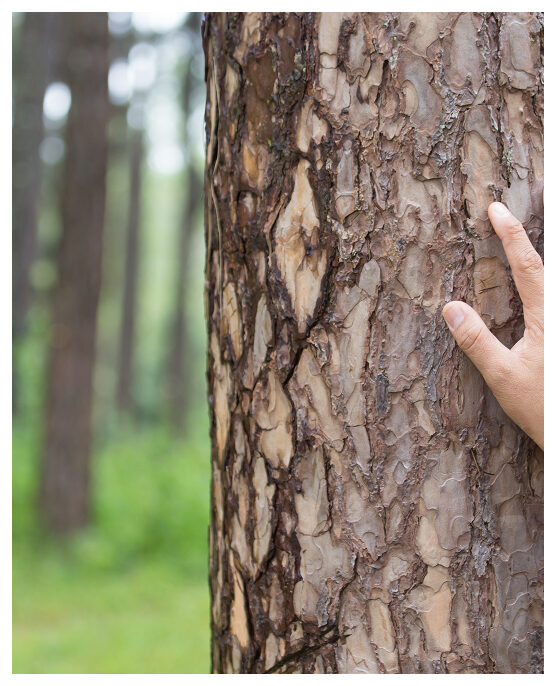
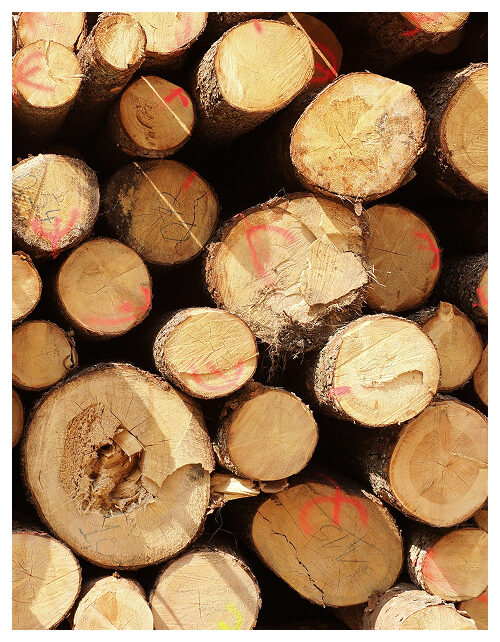
The integrity of an INKO kitchen begins long before the design: it is born in the forest. We exclusively select materials from certified and sustainable reserves, understanding that true excellence cannot exist without ethics. We have spent years perfecting our activity so that the environmental footprint is minimal, prioritizing respect for the natural environment from which we draw sustenance.
This commitment is a constant exercise in refinement. Over time, we have systematically eliminated from our production chain those materials and processes that do not align with a clean future. It is not just about manufacturing, but about having the courage to discard any component that compromises the health of the planet to offer you an honest product.
Responsibility is not improvised; it is audited. We apply rigorous environmental management that covers every millimeter of our manufacturing process. We work closely with certified entities to ensure that every step we take in our factory meets the highest standards of ecological protection.
Our plant operates under principles of circular economy and purity. We meticulously classify and revalue each waste product—from wood and its derivatives to packaging—to give them a second life. Similarly, we take care of the air we share: we use advanced aspiration and filtration systems that eliminate harmful particles, ensuring that the creation of your kitchen is a process as clean as the final result.
RESPONSIBLE RAW MATERIALS
The quality of an INKO kitchen is measured from its core. We rigorously select boards from recycled wood, controlled forests, or responsible industrial sources. We are not satisfied with the word of our suppliers; we demand official certifications (FSC® and PEFC™) that document that each component respects the life cycle of nature.
Our commitment to Innovus MFC technical boards is not accidental; it is an engineering and health decision. Their performance guarantees a safe home environment:
EFFICIENT WASTE MANAGEMENT
Our responsibility does not end with the design. We implement a rigorous and circular waste management system, collaborating with certified entities to guarantee meticulous segregation. We classify each surplus at source to ensure its correct revaluation, specifically separating:
OFFICIAL CERTIFICATIONS
ISO 9001 / ISO 14001
Certified Environmental Management System, which guarantees that we minimize waste, optimize resources and comply with all current regulations.
CERTIFIED CARBON FOOTPRINT
We have reduced our CO₂ emissions thanks to measures such as the installation of solar panels, efficient energy management and systematic recycling.
FSC® and PEFC™ CHAIN OF CUSTODY
We ensure that all the wood we use comes from controlled and environmentally friendly sources.
ENVIRONMENTAL SELF-REGULATION
At INKO we not only comply with standards: we exceed them. Our environmental culture is born from an internal conviction, not a legal obligation.
Each member of our team understands that their decisions have an impact, and that is why we integrate sustainability as a transversal and shared value.
Protecting the environment, part of our identity
We are firmly committed to not participating in activities that harm the ecological balance. This includes: